
Important note
Correctional communication rules, approved services, fees, schedules, and mail procedures vary by facility and can change. Confirm current requirements directly with the facility or its official communication provider before sending money, mail, photographs, or gifts. Unchained Connections is a public pen-pal directory; it is not a correctional agency, legal or medical service, or messaging provider, and it cannot guarantee that a service is available or that a message will be delivered.
Mail and property rules: Do not rely on general lists as permission to send an item. Facility rules may differ and change; check the recipient’s current facility page or mailroom instructions before mailing anything.
Well-being note: Communication can be meaningful, but it is not a substitute for mental-health care. Do not assume that a letter or call will resolve a crisis; contact qualified professionals or the appropriate facility channels when support is needed.
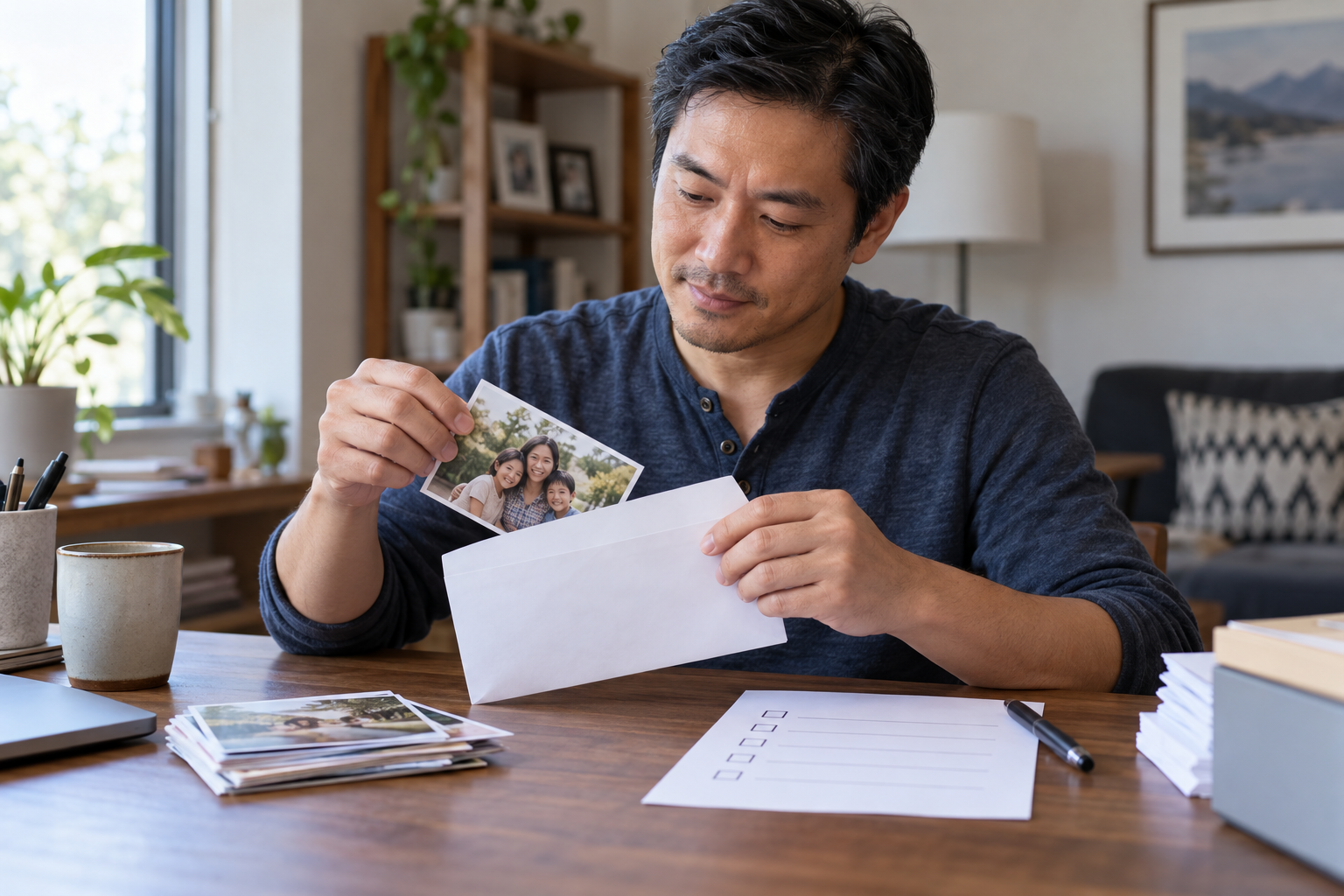
For many people who are jailed, receiving a mail call is an important occurrence because it gives them a connection to the outside world, communication, emotional support, and a feeling of community and family. Inmates’ mental health can be significantly impacted by getting mail, whether it be a letter, card, photo, or legal paperwork, in both positive and bad ways. A thorough description of how mail calls might impact an inmate’s mental health can be found below.
**Positive Impacts of Mail Call on Inmates’ Mental Health**
- **Emotional Support and Comfort**:
- **Link to Loved Ones**: Mail enables prisoners to keep up their connections with friends, family, and loved ones. A physical reminder that they are not forgotten is provided via routine letters, cards, or parcels from outside the prison. Feelings of loneliness, isolation, and hopelessness can be considerably lessened by this connection.
- **Uplifts Mood**: Giving an inmate something to look forward to, such as a letter or card, frequently lifts their spirits. They may feel more hopeful and emotionally at ease knowing that they are on someone’s mind.
- **Emotional security**: Getting mail may provide many prisoners a feeling of security and normalcy, particularly in a setting where everything else is regimented and regulated. Maintaining a feeling of uniqueness and connection to the outside world through personal communication might be a stabilizing factor for their mental well-being.
- **Reducing Feelings of Isolation and Loneliness**:
- **Social engagement**: In the prison setting, interpersonal interactions may become strained and social engagement is restricted. Even if it’s indirect, mail offers a kind of **social contact** that helps counteract the psychological effects of loneliness.
- **Decreased Risk of Depression**: Because of the emotional separation from the outside world, regular letters and contact can reduce the chance that prisoners will experience anxiety or depression. Feelings of alienation can be reduced by positive mail conversations.
- **Sense of Purpose**:
- **Preserving Relationships**: Inmates get a sense of **purpose** from writing and receiving letters. Even from behind bars, knowing that they are still a part of a wider family or group can have a big impact on how they see themselves and their current circumstances.
- **Preserving Identity**: Mail serves as a link to the past for a lot of prisoners. Getting updates on accomplishments, births, and family events keeps them rooted in who they are and gives them a feeling of community.
- **Psychological Resilience**:
- **Hope for the Future**: Letters can provide prisoners with something to anticipate. They can develop psychological fortitude and optimism just by waiting for a letter or parcel, which helps them deal with the harsh reality of prison life.
- **Mental Stimulation**: Writing letters that address current affairs, family issues, or future goals can be especially stimulating to the mind. In an environment where intellectual involvement is frequently restricted, this cerebral stimulation helps prisoners maintain mental activity, which might be vital.
- **Encouragement and Motivation**:
- **Supportive Messages**: Letters with affirmations, motivational material, or encouraging words can help prisoners stay hopeful and committed to their own objectives or recovery.
- **Religious and Spiritual Support**: Letters from clergy, religious organizations, or members of their faith community can provide spiritual support to certain prisoners. These letters can offer spiritual solace and foster mental tranquility since they frequently include words of **hope**, **forgiveness**, and **faith**.
**Negative Impacts of Mail Call on Inmates’ Mental Health**
Even though getting mail is usually a good experience, depending on the specifics of the mail call, it can also have some **negative effects** on the mental health of the inmate.
- **Feelings of Disappointment or Rejection**:
- **Not Receiving Mail** The sensation of **being forgotten** is one of the most challenging parts of confinement. The sensation of not receiving letters during mail call may be emotionally damaging for prisoners. Depression and mental anguish may result from emotions of rejection, abandonment, and loneliness brought on by the lack of letters from loved ones.
- **Letter Rejection or Censorship**: Prison officials occasionally have the right to reject or censor letters, especially if they include forbidden material. This might make an inmate feel frustrated or powerless, particularly if they think the rejection is unfair.
- **Tension and Anxiety**: If an inmate is uncertain about whether they will get anything, they may feel tense during mail call. Mental tension can be exacerbated by the expectation itself, particularly if they are anticipating important or sentimental correspondence, such as updates on family or legal affairs.
- **Reinforcement of Negative Emotions**:
- **Bad News**: Although mail might be consoling, it can sometimes include upsetting information, such updates on a loved one’s illness, a family dispute, or financial difficulties. Such news might increase mental strain by intensifying feelings of **helplessness**, **guilt**, or **grief**.
- **Unresolved concerns**: Inmates may experience unpleasant emotions and psychological discomfort when they receive correspondence from family members or loved ones that discusses unresolved disputes or personal concerns (such as divorce, disagreements, or family friction). These letters may evoke resentment and remorse or unresolved pain.
- **Anger and Frustration**:
- **Legal Issues or Court records**: Some prisoners may become frustrated when they receive **legal paperwork** or updates on their case, especially if the records show delays, unfavorable results, or unclear information. **Anger**, **hopelessness**, and **stress** may result from this, especially if the prisoner feels stuck in the judicial system.
- **Rejection from Loved Ones** If an inmate receives a harsh, accusatory, or abandoning letter, they may feel emotionally distressed and develop **resentment** against those outside the facility. Anxiety and depression may develop, and their mental health may suffer as a result.
- **Dependency on External Communication**:
- **Over-Dependence on letters**: Some prisoners may grow too dependent on the letters to help them cope emotionally. This reliance can lead to **emotional instability** or a breakdown in coping skills if they are not receiving letters for a long time, particularly if they are not receiving other types of support (e.g., group therapy or counseling).
- **Frustration with Delays**: Security checks, administrative procedures, or postal system problems can occasionally cause prison mail to be delayed. Some prisoners may experience more **uncertainty** or **frustration** as a result of this delay, especially if they are awaiting critical messages.
**Long-Term Mental Health Effects of Mail Call**
**Increased Risk of Depression and Anxiety**:
- Long-term mental health issues, such as despair, anxiety, and hopelessness, may arise for prisoners who get little correspondence or who hear bad news in their letters. Mood problems may be exacerbated by the emotional rollercoaster of waiting for and receiving letters.
**Reinforced Sense of Powerlessness**:
- A feeling of **powerlessness** may result from their incapacity to alter their situation, which is exacerbated by unfavorable or limited mail. A cycle of hopelessness can trap prisoners, impairing their capacity to handle stress and adapt to their surroundings.
**Conclusion: The Importance of Mail Call for Mental Health**
Mail calls have a significant impact on an inmate’s emotional and mental health and are much more than just a daily ritual. A prisoner’s mental health can be seriously harmed by not receiving mail or by receiving unfavorable letters, even while receiving mail can offer essential support, connection, and hope. Inmates’ emotional and psychological resilience depends on having regular, constructive connection with the outside world.
Regular letters of love, support, and encouragement can have a significant impact on an inmate’s mental health while they are confined, according to family members and loved ones of such folks.
Official guidance
- Federal Bureau of Prisons: Communication with people in custody
- Federal Bureau of Prisons: Facility directory
- For state and local facilities, use the correctional agency’s official website and the facility’s current instructions.
This article is general information, not legal, medical, financial, or professional advice.